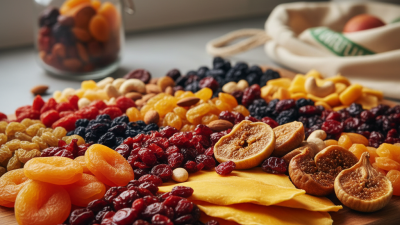
Lately, it seems like everyone’s talking about Organic Dried Fruit. Honestly, the demand has really taken off worldwide. It’s pretty clear people are becoming more aware of health and sustainability, and they’re just looking for natural snacks without all the weird preservatives. Brands like Sun-Maid and Nature’s Garden do a great job offering solid options, but man, the competition out there is fierce!
Now, here’s the thing — not all products claiming to be organic are created equal. It can get pretty confusing trying to figure out which one’s actually legit. Sometimes fruits are marketed as organic but don’t have the proper certification, so you gotta be extra careful when you’re reading labels. Picking brands that are transparent and easy to trace back to their sources is definitely the way to go.
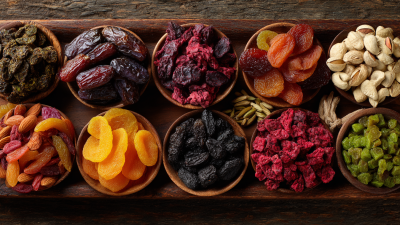
And let’s be real — the sheer variety can be a bit overwhelming. You’ve got everything from apricots to mangoes, and each brand seems to have its own spin on taste and quality. Unfortunately, not all sources keep that consistency, so it’s a bit of a gamble to find the freshest, tastiest Dried Fruit. When you’re out shopping for Organic Dried Fruit, thinking about these little details can really help you make smarter choices. At the end of the day, quality matters more than just grabbing whatever brand is trending. Sometimes, going for the popular name doesn’t always mean you’re getting the best stuff.
2026 Overview of Organic Dried Fruit Market Trends
The organic dried fruit market is experiencing significant growth, driven by increasing health consciousness among consumers. According to a recent report by Grand View Research, the global organic dried fruit market is projected to reach over $8 billion by 2026. This shift reflects a growing demand for nutritious snacks that align with sustainable practices.
Several factors contribute to this trend. Increased availability of organic certifications has led to a rise in consumer trust. Moreover, the premium placed on organic products often translates to higher profit margins for suppliers. Yet, challenges remain. Farmers face obstacles in maintaining organic standards amidst climate variability. Additionally, competing with conventionally processed options can often be difficult for organic producers.
As buyers navigate this expanding market, understanding regional preferences is essential. The Best Organic Dried Fruit options vary across different demographics and geographic locations. Asia-Pacific is expected to register the fastest growth, showcasing how evolving tastes shape the market landscape. Experts advise stakeholders to adapt quickly to these shifting dynamics.
2026 Best Organic Dried Fruit Options for Global Buyers
| Fruit Type | Country of Origin | Market Demand (tonnes) | Average Price (USD/kg) | Health Benefits |
| Organic Dried Apricots | Turkey | 50,000 | 6.50 | Rich in fiber, antioxidants |
| Organic Dried Figs | California, USA | 30,000 | 8.00 | High in calcium, magnesium |
| Organic Dried Mango | Philippines | 40,000 | 7.00 | Loaded with vitamins A and C |
| Organic Dried Apples | China | 70,000 | 5.00 | Good source of dietary fiber |
| Organic Dried Cranberries | Canada | 20,000 | 10.00 | Supports urinary tract health |
Key Factors Influencing Global Buyer Preferences for Dried Fruits
In recent years, global buyers increasingly prioritize quality when selecting organic dried fruits. They seek products that offer superior taste, texture, and nutritional benefits. Factors such as sourcing methods and farming practices greatly influence their choices. Many buyers show a preference for fruits that are sustainably harvested, showcasing a growing consciousness about environmental impact.
Packaging also plays a crucial role. Buyers often look for transparent labeling that indicates the origin and handling of the fruits. Clear information about processing methods can enhance their trust in a brand. For instance, dried fruits without artificial preservatives tend to attract more interest. Yet, some produce may look appealing but lack the nutritional density buyers expect.
Additionally, cultural preferences shape buyer behavior. Some markets favor sweet varieties, while others select based on unique flavors. This complexity can lead to mismatched expectations. Not all suppliers fully grasp these nuances, which can create gaps in the market. As buyer preferences evolve, there's a pressing need for suppliers to reflect these changes in their product offerings. Understanding these dynamics is essential for success in the organic dried fruit market.
2026 Best Organic Dried Fruit Options for Global Buyers
This chart represents the preferences of global buyers for different types of organic dried fruits based on surveys conducted in 2026. The data reflects the popularity of various products among consumers.
Top Organic Dried Fruit Varieties to Consider in 2026
As the demand for organic products rises, dried fruits are gaining attention in global markets. In 2026, buyers will find an array of organic dried fruit options. Popular varieties include organic raisins, apricots, and figs. According to industry reports, the global organic dried fruit market is projected to grow at a compound annual growth rate (CAGR) of 8.5% from 2021 to 2026. This surge reflects a growing consumer preference for health-focused snacking alternatives.
Organic raisins stand out due to their rich antioxidant content and natural sweetness. They are not just snacks; they also enhance baked goods and salads. Similarly, organic apricots are favored for their fiber content and vibrant flavor, making them versatile for culinary applications. However, the cost of organic sourcing can be high, presenting a challenge for buyers looking for economical options. The reliability of supply chains also raises concerns, especially in the context of climate change impacting crop yields.
Despite these challenges, the organic dried fruit market remains promising. Consumers increasingly prioritize health and sustainability, driving demand for diverse products. However, buyers must also consider the importance of transparency in sourcing and production. This ensures the quality of the organic certification and adherence to industry standards.
Evaluating Quality Standards in Organic Dried Fruits
When considering organic dried fruits, quality standards play a crucial role. Buyers should evaluate sourcing practices. It’s essential to check where the fruits come from. Sustainable farming methods often indicate higher quality. Look for certifications that confirm organic practices. These certifications can provide reassurance about product integrity.
Texture and taste also matter. A good organic dried fruit should have a rich flavor. The color should be vibrant, indicating freshness. However, not all products meet these criteria. Some may lack flavor or have an odd texture. This inconsistency can be frustrating for consumers. Test samples before bulk purchases can help mitigate risks.
Beyond dried fruits, Gummies Organic can be a nutritious addition to diets. They often have fewer additives and sugars. Ensure you read the labels carefully. Transparency in production methods is important. Companies should provide clear information. This can help build trust in the products being consumed. It's an ongoing journey for buyers to find reliable sources of quality organic options.
Sourcing Organic Dried Fruits: A Guide for International Buyers
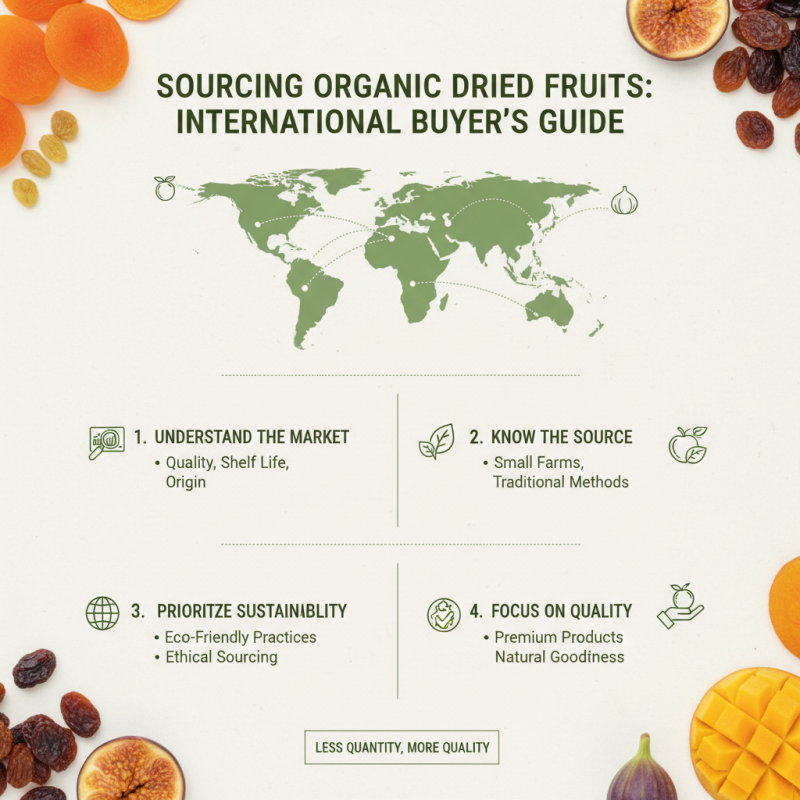
Sourcing organic dried fruits can be a rewarding journey for international buyers. Understanding the market is essential. Factors like quality, shelf-life, and origin play significant roles. Buyers should know where their products come from. Often, the best sources are small farms that use traditional methods. These farms prioritize sustainability and quality over quantity.
Not all products labeled as "organic" meet the same standards. Buyers need to verify certifications and practices. Look for suppliers who provide transparent information about their growing methods. This ensures that the drying process retains the fruits' natural flavors and nutrients. Organic Candy tends to maintain much of this integrity, making it an appealing choice.
Building relationships with trusted suppliers fosters reliability. International buyers may face challenges in communication and logistics. Patience and diligence are necessary when navigating these complexities. Regular visits to suppliers can help strengthen connections. Knowing the specific regulations in your target market is crucial. This knowledge can save you from potential pitfalls down the line.
Sustainability Practices in Organic Dried Fruit Production
Sustainability is crucial in organic dried fruit production. It begins with sourcing fruits from farms that prioritize ecological practices. These farms often rely on natural pest control and organic fertilizers. This reduces the reliance on synthetic chemicals and promotes biodiversity.
Many producers are adopting renewable energy sources for drying processes. Solar energy is increasingly popular, cutting down on greenhouse gas emissions. However, not all producers can access this technology, which raises questions about equity in sustainability practices.
Tips for buyers: Look for certifications that indicate sustainable practices. Research the suppliers to ensure they align with your values. Supporting small local farms can often offer a more environmentally responsible choice. Remember, sustainability isn’t just a trend; it's essential for the planet's health and our future.
Future Innovations in the Organic Dried Fruit Industry
The organic dried fruit industry is experiencing a surge in innovation. According to a recent market analysis, the global organic dried fruit market is projected to grow by 7.5% annually, reaching $8 billion by 2026. This shift reflects changes in consumer preferences toward healthier snack options. As a result, manufacturers are developing new processes to enhance flavor and nutrient retention. Innovations such as freeze-drying and vacuum drying are gaining traction, delivering fruits that retain their natural sweetness and color.
Sustainability remains a pivotal focus for this industry. Companies are exploring eco-friendly packaging materials and sourcing practices that minimize environmental impacts. A report from the Organic Trade Association emphasizes that consumers increasingly prefer products that prioritize sustainability. However, challenges persist. The need for certification can complicate entry into markets. Additionally, fluctuations in organic fruit supply affect consistency and pricing. While Organic Hard Candy is becoming popular, balancing organic standards with candy production poses unique hurdles.
Many businesses are now leveraging technology for better quality assurance and traceability. Such innovations ensure that consumers can access reliable nutritional information and the origin of their food. Transparency builds trust in the marketplace. Yet, as the organic dried fruit sector evolves, continuous improvement and adaptation to consumer expectations will be necessary for companies to thrive.
FAQS
: Quality is increasingly important, including taste, texture, and nutritional benefits.
Buyers prefer sustainably harvested fruits, reflecting their environmental concerns.
Transparent labeling boosts trust, showing origin and handling of the fruits.
Organic raisins, apricots, and figs are projected to gain significant attention.
High costs and unreliable supply chains due to climate change impact sourcing.
Look for certifications and research suppliers to align with personal values.
Markets may favor sweet varieties or unique flavors, leading to mismatched expectations.
Clear information about sourcing ensures quality and adherence to organic standards.
It supports the planet's health and aligns with growing consumer demand for responsible choices.
No, access to renewable technology varies, raising equity concerns in sustainability efforts.
Conclusion
The article titled "2026 Best Organic Dried Fruit Options for Global Buyers" provides a comprehensive overview of the current trends and factors shaping the organic dried fruit market. As consumer preferences shift towards healthier, sustainable options, the demand for organic dried fruits is on the rise. Key influences include health consciousness, environmental concerns, and the quest for quality, prompting buyers to explore various organic dried fruit varieties available in the marketplace.
Furthermore, the article delves into quality standards essential for evaluating organic dried fruits and outlines sourcing guidelines for international buyers. It highlights sustainability practices in production, emphasizing the importance of ethical sourcing. As the industry evolves, future innovations promise to enhance the quality and availability of organic dried fruits, meeting the growing needs of consumers globally.

 Breath Freshing Mints Series
 Preserved Fruits Series
 Vitamin C Fruit Juice Gummies Series
 Tin Box Fruit Hard Candies Series
 Plant Based Fruit Juice Gummies Series
 Mouth-Watering Sparkling Mints Series
 Sugar Free Mints
 Gummy
 Milk Stick
 3D Shaped Peelable Gummy
 3D Fruit Peelable Gummy