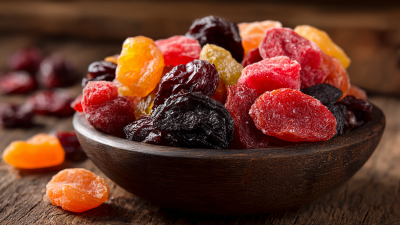
You know, Dried Fruit has always been a pretty popular snack around the world. Back in 2021, the global market for dried fruit was sitting at around $8 billion — and honestly, it's only expected to keep growing over the next few years. Lots of folks are turning to dried fruits because they’re super convenient and actually pretty healthy. They’re packed with essential vitamins, minerals, and fiber, so they make for a smart snack choice.
The process of drying fruit basically means removing most of the moisture, which can be done in a bunch of ways — like sun drying, air drying, or using dehydrators. Each method kind of influences how the fruit tastes and feels. But, honestly, maintaining quality control isn’t always easy. Sometimes, dried fruits can have added sugars or preservatives, which kind of defeats the purpose if you're aiming for health benefits.
Despite those worries, dried fruit is still a go-to for many people. Big names like Sun-Maid and Mariani are pretty much leading the pack, offering all sorts of dried fruit products to suit different tastes. That said, it’s always a good idea to check the labels carefully. Transparency is key because, at the end of the day, knowing what you're eating helps you make smarter choices.
What is Dried Fruit?
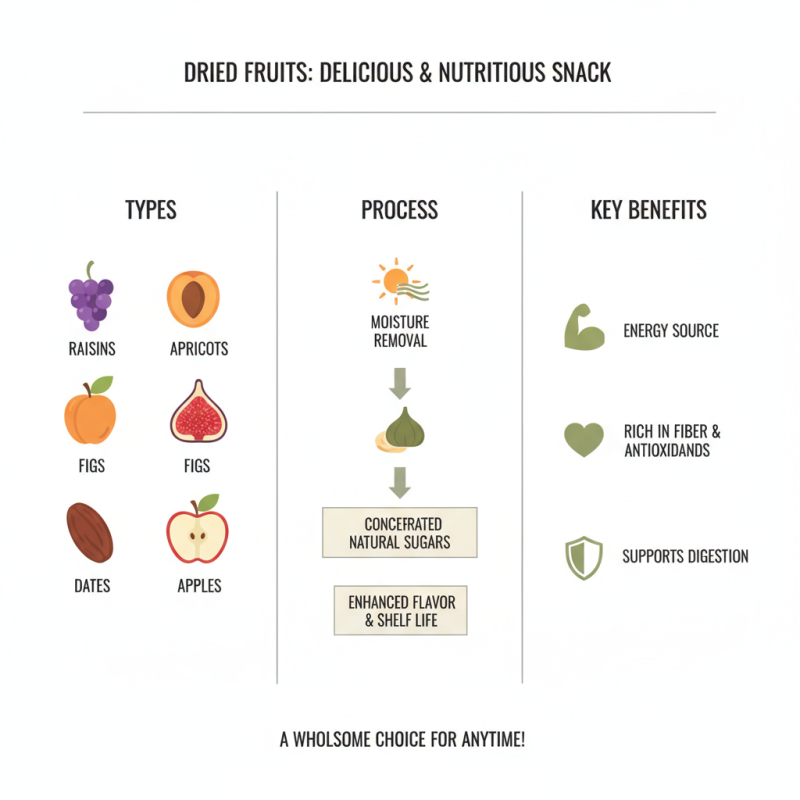
Dried fruit offers a convenient way to enjoy nature's sweetness. It is made by removing moisture from fresh fruit, concentrating its flavors and nutrients. Common methods include sun drying, air drying, and using dehydrators. This process can enhance natural sugars, creating a chewy texture that's hard to resist.
According to industry data, the dried fruit market was valued at approximately $8.23 billion in 2021 and is projected to grow significantly. This rise is largely due to an increasing interest in healthy snacking. Dried fruits like apricots, raisins, and figs are popular. They provide fiber, vitamins, and minerals, making them a nutritious choice. However, it’s essential to be cautious. Some products may contain added sugars or preservatives.
Tips: Always check labels to ensure the quality of dried fruit. Look for options without added sugars. When snacking, portion control is key. A small handful can satisfy a Sweet Craving without overindulging. Take time to explore various dried fruits. Each type offers unique flavors and health benefits. This exploration can enrich your snacking experience.
Dried Fruit Production Comparison
This chart illustrates the production amounts of various dried fruits. Raisins lead in production, followed by dried apricots and Dried Figs.
The History of Dried Fruit Production
Dried fruit has a rich history that dates back thousands of years. Ancient civilizations discovered that drying fruits was a practical way to preserve them. They used the sun to eliminate moisture, making it easier to store fruits for longer periods. This method was essential for surviving harsh winters.
Different cultures adopted unique techniques for drying fruits. In the Middle East, figs and dates were popular choices. Meanwhile, in Asia, people often dried apples and pears. The techniques varied, but the goal remained the same: extend the shelf life of these nutritious foods. Over time, these dried fruits became staples in many diets.
Today, the production of dried fruit has evolved but still retains some traditional aspects. While we now use modern machines, many fruits are still dried using natural sunlight. However, this process can vary in effectiveness. Sometimes, the fruit loses much of its natural flavor. In these cases, the quality can be inconsistent. Cultivating a deeper appreciation for these historical methods may remind us of the importance of tradition in our modern world.
Methods of Dried Fruit Production
Dried fruit is a popular snack, loved for its sweetness and convenience. The production of dried fruit can vary, but several methods are widely used. The sun-drying method is traditional. It involves drying fruits outdoors under direct sunlight. This method is natural but depends heavily on weather conditions. It's simple and cost-effective, but it can lead to inconsistent quality.
Dehydration is another method, commonly used in commercial production. This process uses machines to remove moisture from fruits. According to industry reports, dehydrated fruits can retain up to 90% of their nutrients. This method ensures uniformity and quality but may require substantial energy input. Hot air drying is similar and often involves heated air circulation to speed up the process.
**Tips:** When making dried fruits at home, slice fruits evenly for uniform drying. Check often to avoid over-drying. Experiment with different fruits; not all dry well. Store dried fruits in airtight containers to maintain freshness. Keep in mind that homemade versions might not have the same shelf life as commercially produced ones.
Nutritional Benefits of Dried Fruit
Dried fruit is not just a sweet snack; it also offers various nutritional benefits. When fruits are dried, water is removed, concentrating their nutrients. This process retains fiber, vitamins, and minerals. Dried fruits, like apricots and raisins, can boost energy levels and enhance gut health. They are rich in antioxidants, which can help fight inflammation.
Including dried fruit in a balanced diet can be beneficial. They provide a quick source of energy, perfect for athletes or busy individuals. Many people enjoy them as a convenient snack. However, consuming them in moderation is crucial. Dried fruits can be high in natural sugars, which can lead to weight gain if eaten excessively.
While dried fruits are nutritious, they are often overlooked. It’s essential to be mindful of portion sizes. A small handful can satisfy cravings, but larger amounts may add extra sugar. Reflecting on personal eating habits can help identify the right balance. Each bite can be a tasty reminder of the benefits they bring.
Common Types of Dried Fruits
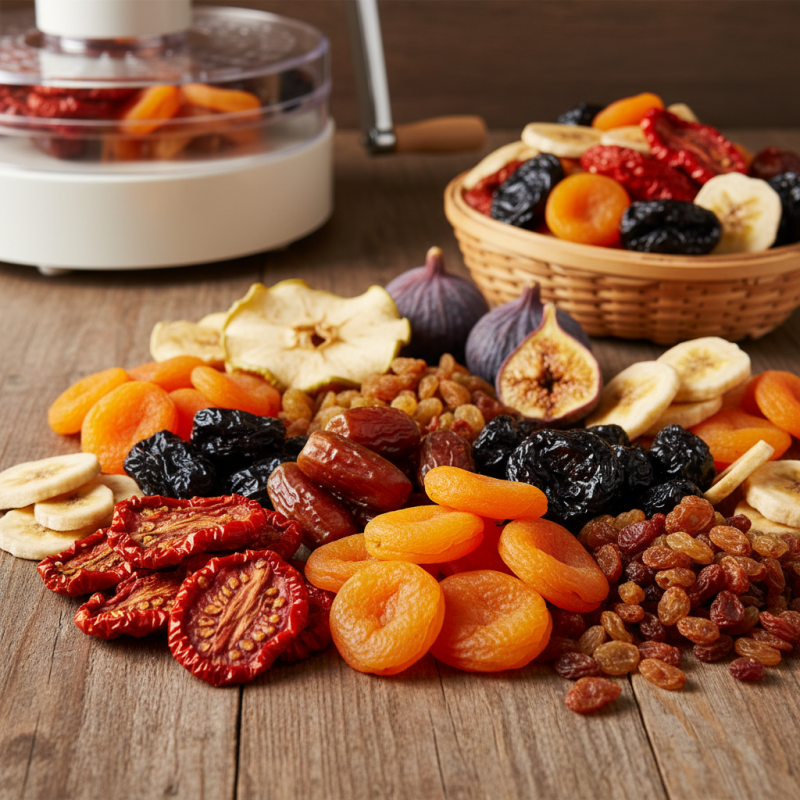
Dried fruits are a delicious and nutritious snack. They come in various types, each with unique flavors and textures. Common varieties include raisins, apricots, figs, apples, and dates. Each fruit undergoes a drying process to remove moisture. This concentrates their natural sugars and enhances their taste.
Raisins, made from dried grapes, are sweet and chewy. They can be added to cereals or baked goods. Dried apricots offer a tangy flavor and are perfect for on-the-go snacking. Figs have a unique texture, with seeds that add crunch. They pair well with cheeses for a savory treat. Dried apples have a mild sweetness and are great in trail mixes.
When enjoying dried fruits, be mindful of portion sizes. They are calorie-dense due to their sugar content. Tip: Pair dried fruits with nuts for a balanced snack. This adds protein and healthy fats. Remember, not all dried fruits are created equal. Some may contain added sugars or preservatives. Always check the label for the best choice!
Storage and Shelf Life of Dried Fruit
Dried fruit is a popular snack choice. When made properly, it retains much of its nutritional value. However, storing dried fruit can be tricky. The right storage methods can extend its shelf life significantly.
Airtight containers are essential. They protect against moisture and air exposure. Glass jars, vacuum-sealed bags, or resealable plastic bags are excellent options. Keep them in a cool, dark place. Light and heat can degrade dried fruit quality. You might want to consider refrigeration for longer shelf life.
Be sure to check for signs of spoilage, such as off smells or unusual colors.
Even when stored correctly, dried fruit won’t last forever. Depending on the type, it can last from six months to a year. Some variants, like apricots or figs, may last even longer. It's crucial to stay vigilant. While dried fruit can seem durable, it's wise to assess it regularly. A simple visual check can make a big difference. Don't let your healthy snack go to waste.
Uses of Dried Fruit in Culinary Applications
Dried fruit adds unique flavors and textures to various dishes. It’s a popular ingredient in both sweet and savory recipes. For instance, dried apricots can elevate a simple salad. Their chewy texture contrasts nicely with fresh greens.
In baking, dried fruits like raisins or figs enhance bread and muffins. They offer bursts of sweetness in every bite. Some cooks even use dried fruit in meat dishes, adding unexpected layers of flavor. However, it’s easy to overuse them, overpowering the main ingredients. Balance is crucial in these culinary explorations.
Experimentation often leads to the best results. Incorporating dried fruit into sauces or salsas can create a delightful twist. But sometimes, the flavors clash rather than harmonize. It’s essential to taste and adjust along the way. Cooking with dried fruit is a journey that invites both creativity and reflection.
Revolutionizing Nutritional Supplementation: Insights from 2023 Trends on Vitamin C Gummies
In 2023, the landscape of nutritional supplementation has undergone a significant transformation, particularly in the domain of vitamin C. Among the most compelling trends is the surge in popularity of vitamin C gummies, especially those with enticing flavors like orange. According to a report from Market Research Future, the global vitamin C market is projected to grow at a CAGR of 6.3% through 2028, underscoring the increasing consumer appetite for flavorful, convenient forms of supplementation.
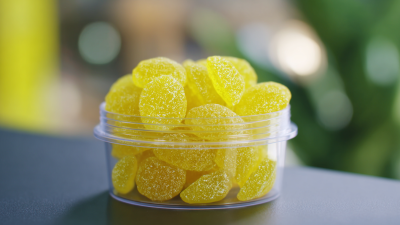
Orange-flavored vitamin C gummies have emerged as a favorite among health-conscious individuals seeking a tasty yet effective way to boost their immune system. Studies have shown that vitamin C plays a crucial role in enhancing immune function and reducing the duration of common colds. A systematic review published in the Journal of Nutrition revealed that regular intake of vitamin C can lead to a 50% reduction in the incidence of colds in certain populations. This highlights the importance of not only the nutrient itself but also the delivery method, as gummies encourage consistent daily intake, particularly among those who might shy away from traditional tablets or powders.
Furthermore, the sensory appeal of flavors like orange enhances the overall experience of supplementation, making it more enjoyable for users. With reports indicating that flavor and form significantly influence consumer choices—over 70% of supplement users prefer gummies over pills—manufacturers are keen to cater to this demand. By revolutionizing the way we think about nutritional supplementation, orange-flavored vitamin C gummies provide a delightful solution that aligns with modern consumer preferences for health and wellness.
FAQS
: Users report improved performance and efficiency in daily tasks. It simplifies complex processes. Many appreciate the time saved.
Consider your specific needs and goals. Some find it aligns well, while others feel overwhelmed. Reflect on your preferences.
Yes, it can be versatile. Many use it for different tasks. Experimentation may lead to unexpected results.
Users mention a learning curve. Some features might be confusing initially. Patience and practice are necessary.
Yes, support is accessible. Response times may vary. Some users suggest seeking community assistance too.
Regular cleaning is essential. Check for updates often. Some users neglect maintenance, leading to problems later.
Lifespan varies by usage and care. Some report years of service, but neglect can shorten it. Reflect on your usage habits.
Some users express worries over disposal methods. Researching recycling options is advisable. Awareness can lead to better choices.
Yes, most come with a warranty. Terms vary widely. Some users find the process complicated. Read the fine print carefully.
Many users find it enhances their abilities. Skill development can be gradual. Challenges will arise, but perseverance pays off.
Conclusion
Dried fruit refers to fruits that have had most of their water content removed through various drying methods, enhancing their natural sweetness and extending their shelf life. The production of dried fruit dates back to ancient civilizations, evolving through techniques such as sun drying and modern dehydration methods. Nutritionally, dried fruits provide essential vitamins, minerals, and antioxidants, making them a popular choice for health-conscious individuals.
Common types of dried fruits include raisins, apricots, figs, and dates, each offering unique flavors and health benefits. In culinary applications, dried fruit is versatile, used in snacks, desserts, salads, and savory dishes. Proper storage is crucial, as it can significantly affect the shelf life and quality of dried fruit, ensuring that it remains a nutritious and delicious option for consumers.

 Breath Freshing Mints Series
 Preserved Fruits Series
 Vitamin C Fruit Juice Gummies Series
 Tin Box Fruit Hard Candies Series
 Plant Based Fruit Juice Gummies Series
 Mouth-Watering Sparkling Mints Series
 Sugar Free Mints
 Gummy
 Milk Stick
 3D Shaped Peelable Gummy
 3D Fruit Peelable Gummy