You know, Mints Candyis honestly one of those treats that people all around the world seem to love. Its cool, refreshing flavor and that really unique texture? Yeah, they’re what make it so popular. Many folks think of Mints Candy as the go-to quick breath freshener or just a little something sweet to indulge in. And companies are definitely paying attention — they’re eager to find these candies everywhere, mainly because everyone wants more variety in flavors and some exciting new twists on the classic recipe.
That said, sourcing Mints Candy isn’t all smooth sailing. There are quite a few hurdles to jump over, like understanding what the market really wants and what customers are craving right now. Things like flavor trends, packaging styles, and price points can really make or break your success. And don’t forget, finding reliable suppliers is super important. You want to team up with manufacturers you can trust, especially in such a competitive space.
The worldwide market for Mints Candy is pretty vast and complicated, honestly. It involves navigating all sorts of rules and cultural differences, which can be tricky. Every region has its own favorite flavors, standards, and preferences, so you’ve gotta be ready to adapt your approach if you want to succeed. Trying to tap into international markets is definitely worth it — but it requires a lot of dedication and a willingness to keep learning. Thinking about your sourcing strategies and making small tweaks along the way can really help improve your products and better meet what consumers are actually looking for.

What is Mints Candy?
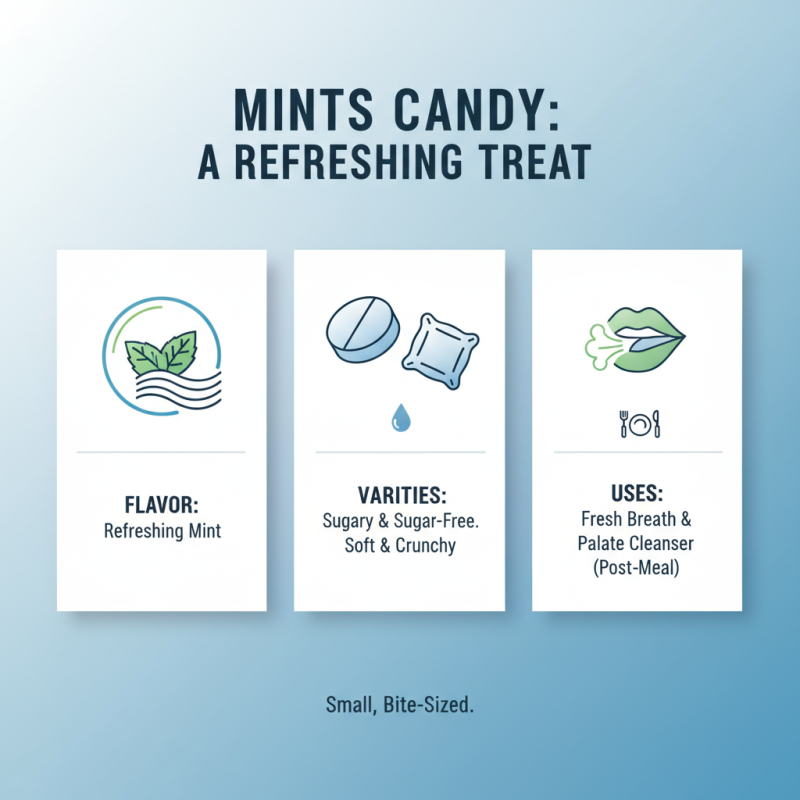
Mints candy is a popular confectionery, appreciated for its refreshing flavor. These small, bite-sized treats come in various shapes and types, often designed to provide a burst of minty freshness. Commonly found in both sugar and sugar-free varieties, mints cater to different dietary needs. The texture can vary, with some being soft and chewy while others are hard and crunchy. Many enjoy them after meals for fresh breath, while others use them as a quick palate cleanser.
The ingredients in mints candy typically include sugar, flavoring agents, and sometimes natural extracts. However, ingredient sourcing can be challenging. Quality control is crucial. One must ensure that all components meet safety standards. Not all suppliers maintain the same level of hygiene. Researching potential suppliers is vital. Additionally, consumer preferences fluctuate by region, impacting sourcing decisions.
Even with a thorough sourcing strategy, there may be hiccups. One supplier might fail to meet deadlines, or fluctuations in ingredient availability can occur. Being adaptable is key. Monitoring global trends helps in making informed choices. What works in one market may not resonate in another. Continuous reflection on sourcing practices can lead to a more resilient supply chain.
History and Evolution of Mints Candy
Mints candy has a rich history that dates back centuries. Ancient cultures used mint for its refreshing taste and digestive properties. The Egyptians were among the first to recognize the benefits of mint. They used it in various forms, including as a flavoring agent. Over the years, mints evolved from natural leaves to the candies we love today.
The first mints candy, often used to freshen breath, appeared in Europe during the 19th century. This was a turning point in confectionery history. These small, flavored candies became popular among different social classes. They were easy to produce and required minimal ingredients. Ingredients like sugar and mint extract were combined to create simple, yet effective treats. Today, mints come in various shapes, sizes, and flavors. They are not just Sweets; they represent a timeless connection to freshness.
Despite their popularity, there’s always room for improvement in mint candy production. Many manufacturers struggle with balancing flavor and health benefits. Some candies are high in sugar, which can be a concern for health-conscious consumers. Crafting mints that provide flavor without compromising health may be challenging. Innovating while respecting traditional methods is a delicate task. The evolution of mints does not just reflect culinary trends; it also invites ongoing reflection on health and sustainability in Candy Mints.
Types of Mints Candy Available Globally
Mints candy comes in various types, appealing to diverse consumer preferences worldwide. The global candy market, particularly mints, is driven by innovation and health consciousness. According to a recent market report, the mints segment is projected to grow by 5% annually through 2025. This growth is influenced by the rising demand for Sugar Free Candy Mints, as consumers increasingly seek healthier options.
Types of mints include peppermint, spearmint, and wintergreen. Each type delivers unique flavors and experiences. Peppermint mints are particularly popular due to their strong flavor and refreshing cooling effect. In contrast, spearmint offers milder sweetness and is favored for its soothing qualities. The introduction of Sugar Free Candy Mints has transformed the landscape, catering to those mindful of sugar intake. This shift is significant, with 58% of consumers actively looking for sugar-free options, according to industry surveys.
Mints come in various forms: hard candies, soft chews, and even liquid types. Hard mints are easy to store and long-lasting, while soft varieties cater to those preferring chewy textures. The choice of packaging also affects appeal; for example, resealable pouches are growing in popularity, enhancing convenience. However, not all mints are created equal. Some formulations may lack depth in flavor or have aftertastes that detract from the overall experience. Addressing these challenges remains important for brands.
Key Ingredients Used in Mints Candy Production
Mints candy production relies on specific key ingredients that define flavor and texture. Sugars are essential, typically in the form of sucrose or glucose syrup. These sweeteners provide the base for most mint candies. According to industry reports, sugar accounts for approximately 45%-55% of the total formulation in mass-produced mints.
Flavoring agents play a vital role too. Peppermint and spearmint oils are the most popular choices, creating a refreshing experience for consumers. The concentration of these oils can vary, but data shows that it often ranges from 1% to 5% in finished products. Natural extracts are gaining traction, appealing to health-conscious consumers.
Moreover, binder agents and bulking agents contribute to the final texture. Commonly used materials include gum arabic and gelatin. These ingredients ensure the candy holds together and has a pleasant mouthfeel. Industry insights suggest that about 10% of mints may include these components. However, sourcing these ingredients globally can be challenging, affecting production consistency. Companies must navigate regional availability and quality standards, making careful supplier partnerships crucial for success.
Sourcing Mints Candy: Global Supply Chains
Sourcing mints candy globally involves navigating complex supply chains. The global market for mints candy is projected to grow at a CAGR of 5.4% from 2021 to 2026, according to industry reports. Key factors driving this growth include increasing consumer demand for fresh breath solutions and innovative flavor profiles. As a result, manufacturers are looking to diversify their sources.
Countries like China and India are emerging as major players in production. These nations provide cost-effective ingredients and labor. However, quality control can be inconsistent. Manufacturers must establish strict guidelines to ensure product reliability. Collaborating with local suppliers who understand regional tastes helps mitigate risks.
Sustainability is becoming a concern as well. Consumers now prefer products with eco-friendly packaging. A report from Mintel shows that over 30% of consumers prioritize sustainability in their purchasing decisions. Brands must adapt by sourcing materials responsibly and transparently. Failing to address these factors may hinder a brand's growth in this competitive market. The challenge lies in balancing cost, quality, and sustainability while navigating the complexities of global sourcing.
What is Mints Candy and How to Source Them Globally? - Sourcing Mints Candy: Global Supply Chains
| Country | Average Price per KG ($) | Main Ingredients | Major Exporters | Market Trends |
| USA | 5.00 | Sugar, Peppermint Oil, Artificial Flavors | California, Illinois | Growing demand for sugar-free options |
| Germany | 4.50 | Sugar, Natural Mint Extract, Colorants | Bavaria, North Rhine-Westphalia | Focus on organic and sustainable ingredients |
| China | 3.50 | Sugar, Mint Essence, Artificial Sweeteners | Guangdong, Zhejiang | Increasing export to Asia-Pacific countries |
| India | 2.80 | Jaggery, Mint Flavor, Natural Colorants | Maharashtra, Gujarat | Growing local market and export potential |
| Brazil | 4.00 | Sugar, Mint Oil, Citric Acid | Sao Paulo, Minas Gerais | Emerging market for export in Latin America |
Quality Standards and Regulations for Mints Candy
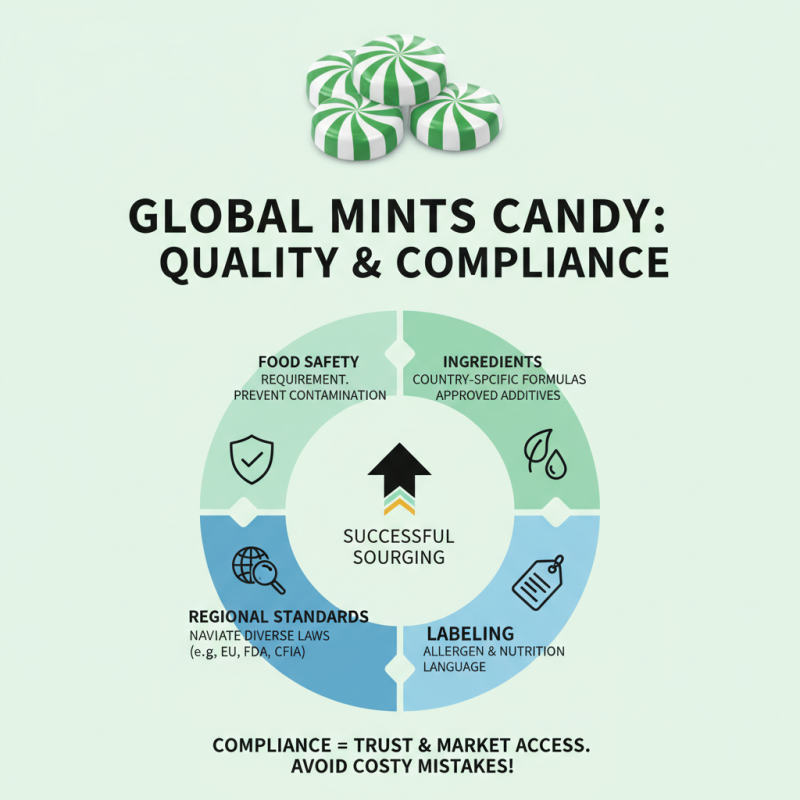
Mints candy holds a special place in the confectionery world. To successfully source mints globally, one must navigate various quality standards and regulations. Compliance with food safety regulations is essential for any supplier. Each country has its own standards regarding ingredients and labeling. Understanding these requirements can aid in avoiding costly mistakes.
When sourcing mints candy, consider looking for suppliers that adhere to Good Manufacturing Practices (GMP). This ensures the products are made under hygienic conditions. Many countries require documents certifying that the products are free from harmful substances. Verify that your supplier can provide these certifications. This not only guarantees quality but also builds trust.
Tip: Always request samples before making a large order. This helps ensure the taste and texture meet expectations. Also, keep in mind that trends in flavors, such as Sour Candy Mints, can shift rapidly. Staying updated on consumer preferences can provide a competitive edge. Communicating regularly with suppliers is vital to staying aligned with these trends.
Marketing Strategies for Mints Candy Worldwide
Marketing mints candy requires a clear understanding of diverse market dynamics. Different regions have unique preferences. For instance, mint flavors can vary in popularity. This variability impacts how you promote your products. Highlighting local favorites with authentic marketing can build a stronger connection with consumers.
Utilizing social media is essential. Platforms like Instagram and TikTok are popular for engaging younger audiences. Visual content can showcase vibrant packaging and unique flavors. You can run targeted ads to reach specific demographics. Create shareable content that encourages users to interact. This approach not only raises brand awareness but also drives direct sales.
When sourcing Bulk Candy Mints globally, it’s crucial to evaluate suppliers carefully. Not all manufacturers meet quality standards. Establishing relationships with reliable vendors fosters trust. Regular quality checks can ensure that the product meets your brand’s expectations. Engaging in continual market research helps to identify shifting trends. This way, you can quickly adapt your strategies and products.
FAQS
: Mints candy are small, refreshing treats with various shapes and flavors. They're popular for fresh breath and palate cleansing.
Mints typically include sugar, flavoring agents, and sometimes natural extracts. Ingredient sourcing can be challenging.
Yes, sugar-free mints cater to those seeking healthier options. Their popularity is increasing among consumers focused on sugar intake.
Common types include peppermint, spearmint, and wintergreen. Each offers distinct flavors and experiences for consumers.
Packaging can influence consumer appeal. Resealable pouches are gaining traction for their convenience in storage and usage.
Ensuring all components meet safety standards is crucial. Not all suppliers maintain high hygiene levels, impacting quality.
Suppliers may miss deadlines or experience ingredient availability fluctuations. Adaptability is key to managing these disruptions.
Global trends influence mints popularity. What works in one region may not resonate elsewhere, requiring brands to adapt.
Mints are available in hard candies, soft chews, and liquid types. Different forms cater to various consumer preferences.
Yes, some mints may have less flavor or unpleasant aftertastes. Brands should address these issues for better consumer experiences.
Conclusion
Mints Candy refers to a popular category of confections known for their refreshing flavors and breath-freshening properties. The history of Mints Candy dates back centuries, evolving from simple herbal mixtures to the diverse range of products we see today. Globally, Mints Candy comes in various types, such as hard mints, chewy mints, and mint-flavored chocolates, catering to different consumer preferences.
In the production of Mints Candy, key ingredients typically include sugar, flavors, and natural or artificial cooling agents, all of which contribute to the distinctive taste and texture. Sourcing Mints Candy involves navigating intricate global supply chains, ensuring that quality standards and regulations are met. Effective marketing strategies play a crucial role in promoting Mints Candy worldwide, highlighting their appeal for freshening breath and enhancing enjoyment in everyday life.

 Breath Freshing Mints Series
 Preserved Fruits Series
 Vitamin C Fruit Juice Gummies Series
 Tin Box Fruit Hard Candies Series
 Plant Based Fruit Juice Gummies Series
 Mouth-Watering Sparkling Mints Series
 Sugar Free Mints
 Gummy
 Milk Stick
 3D Shaped Peelable Gummy
 3D Fruit Peelable Gummy